


Popular Products
-
OzGrass Kikuyu Turf Plugs — 100 Per Tray | Lawn Conversion System
Regular price $77.00Regular price -
OzGrass Couch Turf Plugs | 100 Plugs Per Tray
Regular price $77.00Regular price -
OzGrass Pure Couch Seed 1KG
Regular price $50.00Regular price -
OzGrass Pure Couch Seed 15KG
Regular price $675.00Regular price -
Pure Kikuyu Seed 1KG
Regular price $80.00Regular price -
Equine Mix Pasture Elite 10KG
Regular price $195.00Regular price -
Pasture Seed Blend 10KG
Regular price $78.00Regular price -
Equine Mix Pasture 10KG
Regular price $160.00Regular price -
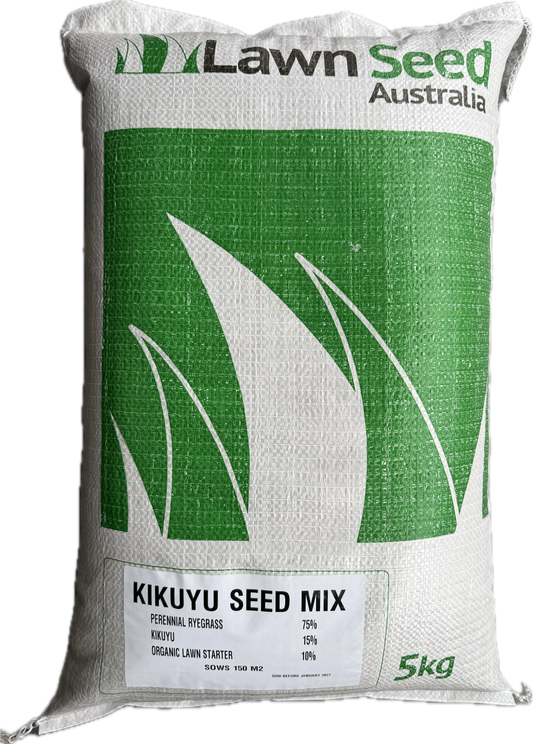
Kikuyu Seed Mix 5KG
Regular price $85.00Regular price -
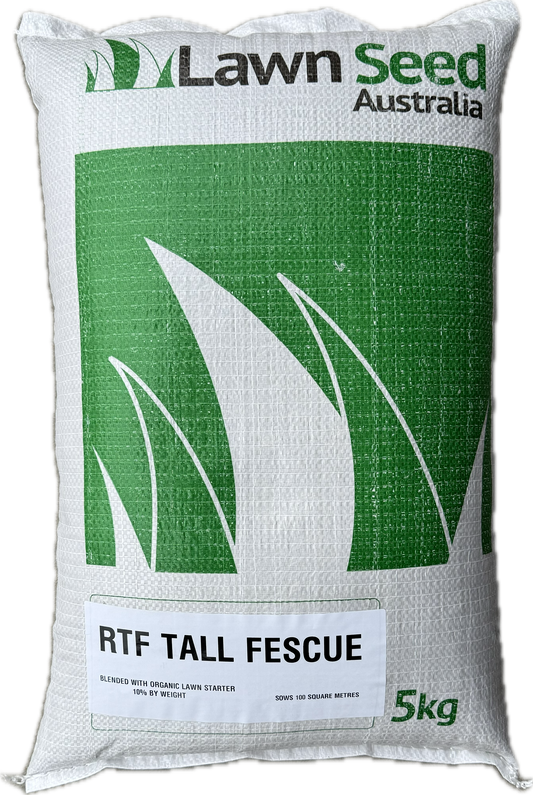
RTF Tall Fescue 5KG
Regular price $77.00Regular price -
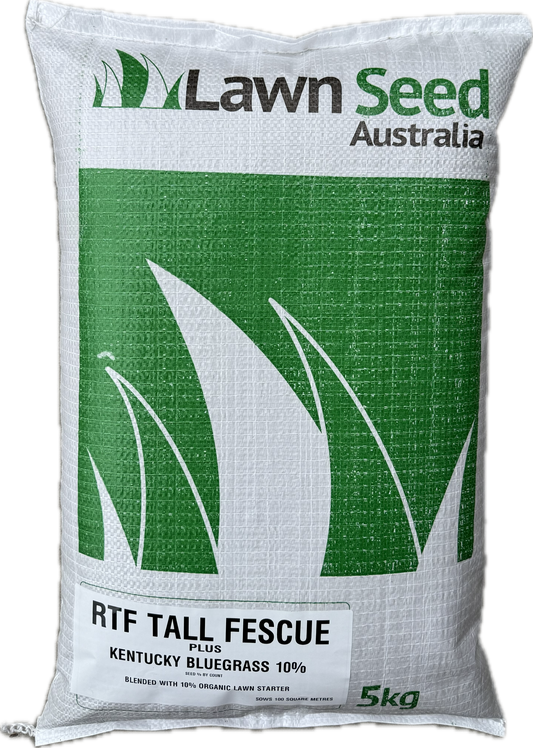
RTF Tall Fescue/Kentucky Bluegrass Blend 5KG
Regular price $88.00Regular price -
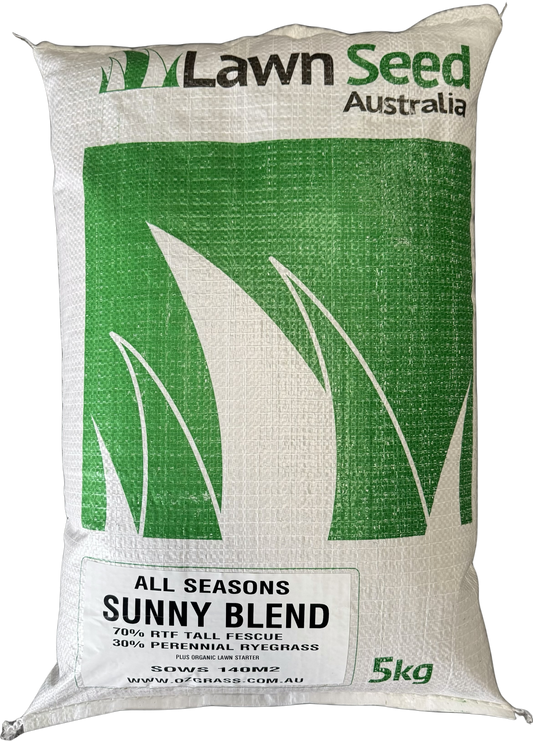
All Seasons Sunny Blend 5KG – RTF Tall Fescue & Perennial Ryegrass Mix
Regular price $66.00Regular price -
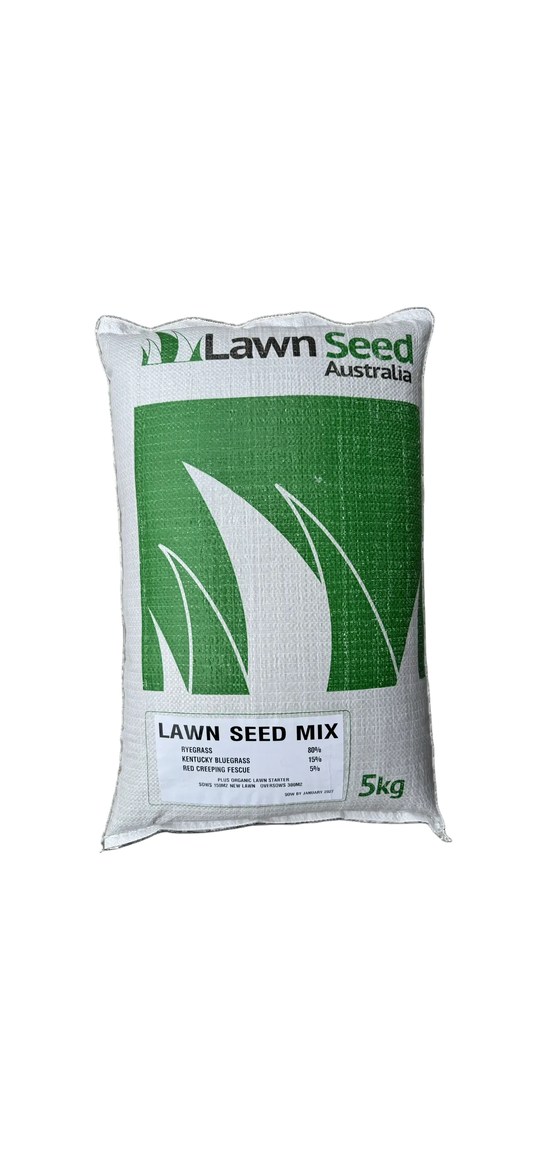
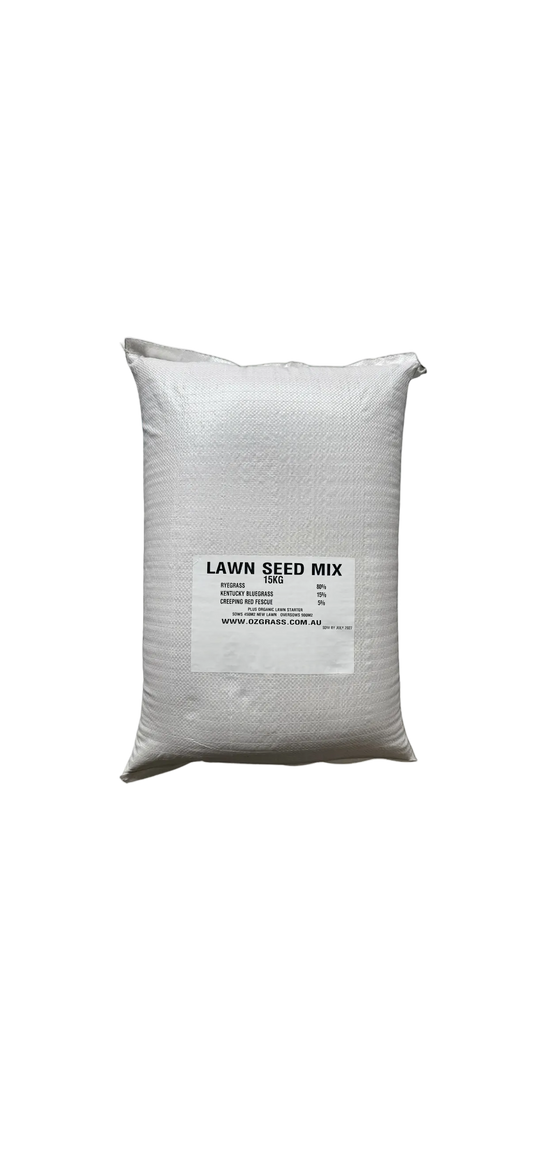
Lawn Seed Mix 5KG
Regular price $38.00Regular price -
Lawn Seed Mix 15KG
Regular price $99.00Regular price -
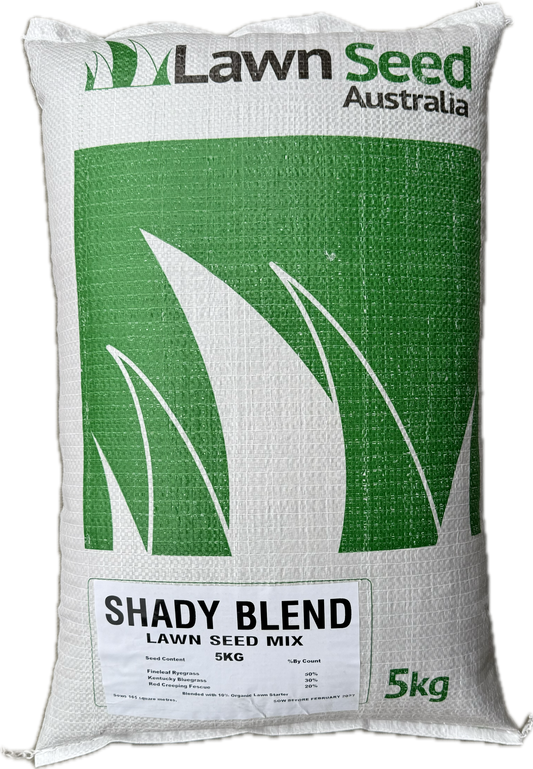
Shady Blend Lawn Seed Mix 5KG
Regular price $95.00Regular price -
Fine Fescue Blend Lawn Seed 5KG
Regular price $64.00Regular priceUnit price $64.00/5kg -
100% Kentucky Bluegrass Lawn Seed 5KG | With Organic Lawn Starter
Regular price $82.50Regular price -
Custom Turf & Pasture Seed Blends
Regular price $1.00Regular price

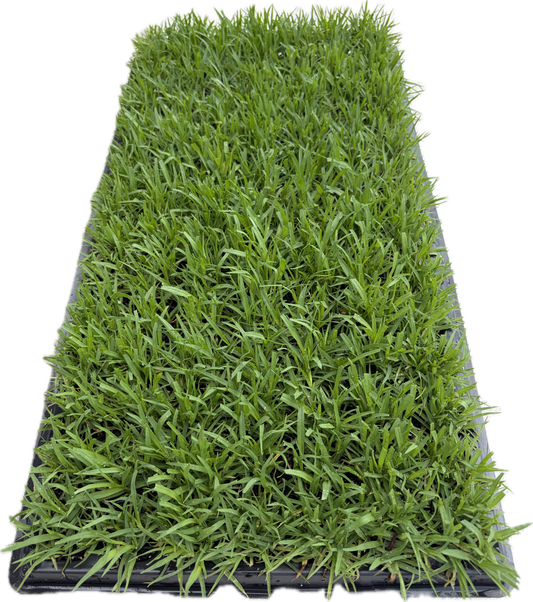

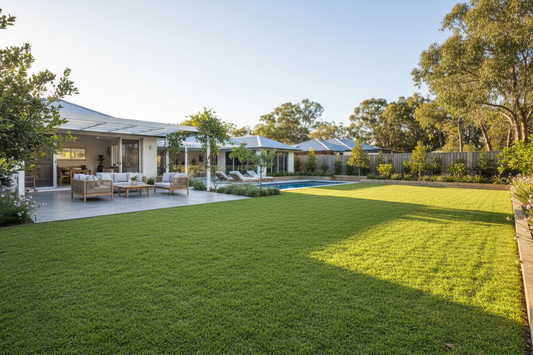


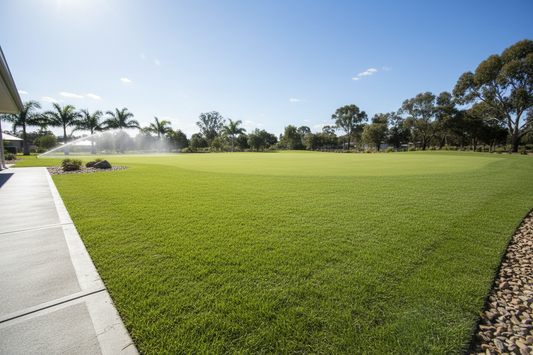

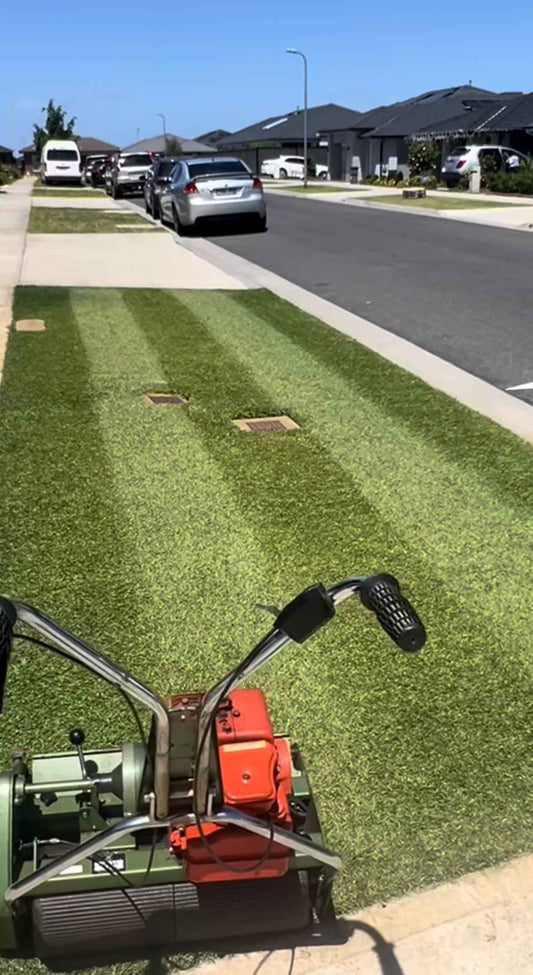

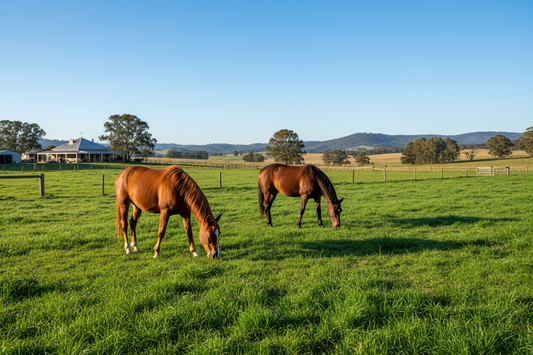

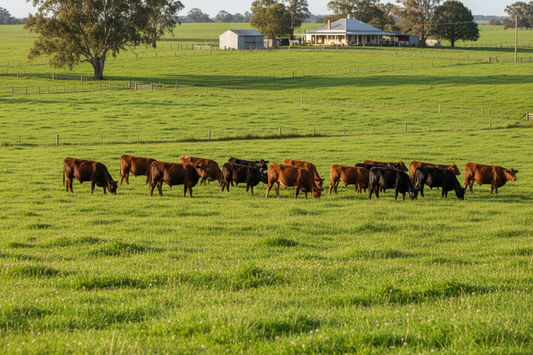

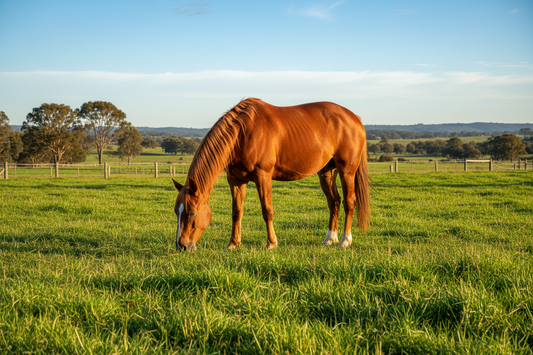










Product Range
-

Turf & Native Grass Plugs
Buy Turf Plugs Online — Fast-Establishing Grass for Australian Lawns Turf plugs...
-

Australian Native Plants
Large-Scale Australian Native Plant SupplyOzGrass supplies Australian native plants for large-scale revegetation,...
-

Australian Native Seed Suppliers
With decades of industry experience and established relationships across Australia's native seed...
-

Turf & Pasture Seed
Premium Turf & Pasture Seed for Every ApplicationExplore our collection of high-quality...
-

Custom Turf & Pasture Seed Blends
Tailored Seed Solutions for Every Application Get the perfect blend for your...
-

Fertilisers/Wetting Agents
Lawn Fertilisers & Wetting Agents for Healthy, Green TurfFeed your lawn the...
-

Herbicides
Shop professional-grade herbicides for Australian lawns, turf, and pastures. Whether you're tackling...
-

Pre-Emergent Herbicides
Shop professional pre-emergent herbicides for Australian lawns and turf. Applied before weed...
-

Plant Growth Regulators
Shop professional plant growth regulators (PGRs) for Australian turf. PGRs slow vertical...
-

Fungicides/Insecticides/Spray Indicators
Fungicides and insecticides are vital for both the turf industry and domestic...
-

Lawn Care Equipment
Lawn Care Equipment for Australian Homeowners & Turf ProfessionalsGet the right tools...
-

Agriculture, Vines & Fruit
Agriculture, Vines & Fruit — Large-Scale Supply OzGrass supplies professional-grade products for...


The OzGrass Difference
Turf Plug Installation Guide & Video

Turf Plug Installation Guide Density guide: Plant 6-10 plugs m2 approximately 30-40cm apart, closer planting will reduce coverage time. Installation guide: Drill or loosen soil to create a hole for the plug to sit in. It is advised to have the plug 5mm lower than the surrounding soil or turf to protect it from damage. Once planted, heavily water the area planted and roll or press soil so that plugs are secure in their new home. Ongoing care: Keep plugs well watered until they take root into surrounding soil. This can be tested by slightly pulling a plug if there is resistance it is starting to take root and watering can reduce slightly. Each soil structure will be different so times will vary. Don't expect too much in the first 2-3 weeks. Pro tip: Apply our wetting agent and fertiliser to plugs while they are still in the tray. In a Lawn Conversion this will give them an advantage to any other grass around them, prevent you encouraging weed growth and reduce costs. All over fertiliser and wetting agent is advised in a patching scenario.

OzGrass Native Plants & Grasses

OzGrass specializes in native plants and grasses for commercial, revegetation, and civil industries, with a strong emphasis on sustainability and ecological preservation.
Commercial Industry
Benefits of native plants and grasses:
- Environmental Compliance: Helps meet environmental regulations.
- Aesthetic Appeal: Enhances beauty with less maintenance.
- Cost Efficiency: Lowers long-term maintenance costs.
Revegetation Projects
Solutions include:
- Erosion Control: Stabilizes soil and prevents erosion.
- Habitat Restoration: Recreates natural habitats.
- Biodiversity Enhancement: Increases biodiversity.
Civil Industries
Solutions for civil industries:
- Infrastructure Support: Ideal for roadside and urban plantings.
- Stormwater Management: Reduces runoff and improves water quality.
- Green Space Development: Creates beneficial green spaces.

OzGrass Cost Savings:
Cost Savings with OzGrass Turf and Native Grass Plugs in Australian Landscapes
Establishing lawns and green spaces in Australia can be a significant investment, particularly for large commercial or revegetation projects. Turf and native grass plugs offer a practical and cost-effective alternative to traditional methods, providing strong growth, durability, and long-term savings. By choosing plugs, landscapers, developers, and land managers can achieve professional results while reducing upfront and ongoing costs.
OzGrass Turf Plugs for Efficient Establishment
Turf plugs are pre-grown in trays and supplied established ready for planting. They provide a cost-effective solution for achieving turf coverage without the expense of full turf rolls. Turf plugs are ideal for large areas where instant coverage is not required but long-term performance and uniform growth are important. Once planted, they spread naturally to form a dense, healthy surface that can withstand regular use and varying weather conditions.
The main cost advantages of turf plugs include:
- Reduced Upfront Costs: Turf plugs require less material per square metre than full turf rolls.
- Lower Labour Requirements: Pre-grown plugs are easy to handle and quick to plant, reducing installation time and workforce needs.
- Efficient Water Use: Smaller planting areas require less water during establishment.
- Gradual Coverage: Plugs expand over time, filling gaps for a consistent, even finish.
Turf plugs are particularly suited to commercial landscapes, sports facilities, and large open spaces where gradual establishment is acceptable and cost efficiency is a priority.
OzGrass Native Grass Plugs: A Cost-Effective Solution
Native grass plugs are small, pre-grown plants that can be installed directly into the soil. They offer an economical way to establish native grasses, the main cost advantages include:
- Lower Material Costs: Plugs require less plant material per square metre, reducing overall supply expenses.
- Reduced Labour Costs: Lightweight and easy to install, allowing faster planting with smaller crews.
- Less Water Usage: Once established, native grass plugs require minimal irrigation, cutting long-term water costs.
- Lower Maintenance: Native grasses thrive in Australian conditions, reducing the need for fertilising, and chemical treatments.
- Fewer Replacements: Strong root systems help plugs establish quickly and resist stress, minimising plant loss and replanting costs.
These savings make native grass plugs ideal for large-scale commercial developments, roadside verges, industrial estates, and revegetation projects where full turf coverage is not required. They are particularly effective in areas needing erosion control, soil stabilisation, or restoration of native vegetation.
Native Plants for Long-Term Value
Incorporating native plants alongside turf and grass plugs adds structure and variety while keeping maintenance costs low. Native species are adapted to local conditions, meaning they require less watering, fertiliser, and pest control. This reduces ongoing expenses and ensures consistent growth over time, making them suitable for commercial landscapes, public parks, and environmental restoration projects.
Fertilisers and Soil Management
Using the right fertilisers supports healthy establishment and long-term performance. Balanced, slow-release fertilisers help turf and grass plugs develop strong roots without frequent reapplication. This approach reduces product use and labour costs while maintaining soil health and plant vitality. For revegetation projects, soil preparation and nutrient management are essential to ensure successful establishment in challenging conditions.
Chemicals and Maintenance Products
Efficient pest and weed management is essential for cost control. Selecting products suited to Australian conditions ensures effective results with minimal waste. Combining preventive care with targeted treatments helps maintain healthy landscapes without excessive chemical use or expense. For large commercial or revegetation sites, this approach supports consistent results across extensive areas.
Maximising Project Budgets
For landscapers, developers, councils, and environmental contractors, using turf and native grass plugs strategically can significantly reduce project costs. Plugs can be used across large or less critical zones at a fraction of the cost of other establishment methods. This approach delivers a balanced, professional finish without exceeding budget limits.
By integrating turf plugs, native grass plugs, and native plants with the right fertilisers and maintenance products, Australian landscapes—whether commercial, residential, or revegetation-focused—can achieve lasting quality, strong growth, and measurable cost savings across every stage of development.

About Us
Built on Australian expertise, OzGrass is an Australian-owned company formed by merging specialists in turf management and Australian native grass and plant propagation. We make growing and maintaining your perfect Australian landscape achievable and reliable. We proudly supply solutions to high-demand commercial sectors, including property development, civil projects, public spaces, caravan parks, golf courses, and race tracks, as well as the domestic market.


